

Creating your own spa experience in Mumbai doesn’t always require booking an appointment; sometimes, it starts right in your own kitchen. This guide is designed to help you craft safe, skin-friendly Nuru-style gels and massage oils using ingredients easily found in local markets or online stores. Our focus here is strictly on wellness, relaxation, and the therapeutic benefits of touch, providing you with simple recipes that ensure a slippery, hydrating, and comfortable experience without any harsh chemicals.
While DIY solutions can be a fun and cost-effective way to unwind, it is important to know your limits. We will explore the step-by-step process of making these gels, but we will also discuss when it might be smarter to purchase high-quality ready-made products or simply book a professional therapist for a hassle-free experience. This guide is just one component of our broader series covering everything from booking tips to understanding different techniques.
If you are new to this style of bodywork and don’t yet know what happens during a full session, first read our detailed nuru massage session walk-through. Whether you are looking to enhance your self-care routine or plan a relaxing evening with a partner, understanding the basics of the gel itself is the perfect place to start.
What Is Nuru Gel and Why Is It Different?

Nuru gel is distinct from typical spa products because it is specifically engineered for friction-free, full-body sliding. Originating from Japan, the word “Nuru” roughly translates to “slippery,” which perfectly describes the gel’s primary function. Unlike standard lotions that absorb into the skin, this gel sits on the surface to create a slick, hydrating layer that allows the therapist’s body to glide effortlessly over the client’s body.
Traditionally, authentic Nuru gel is made from natural seaweed extracts—often Nori or other algae varieties—mixed with water. This base gives it a unique, slimy consistency that is clear, odorless, and tasteless. However, for those making it at home in Mumbai, modern DIY recipes often replicate this texture using accessible ingredients. You might find blends utilizing vegetable glycerine, coconut oil, and thickening agents like xanthan gum or agar-agar (China grass) to achieve that signature slip without sourcing expensive imported algae.
The main difference between Nuru gel and regular massage oil lies in texture and absorption. Standard massage oils (like almond or olive oil) are thicker, stay in one place longer, and are designed to nourish the skin while providing moderate grip for deep tissue work. In contrast, Nuru gel is water-heavy and incredibly slick, making it unsuitable for deep muscle manipulation but perfect for a sensory, surface-level experience. To see how the gel is actually used from start to finish, check our full nuru massage session explanation.
Safety First – Skin, Hygiene, and Legal Considerations
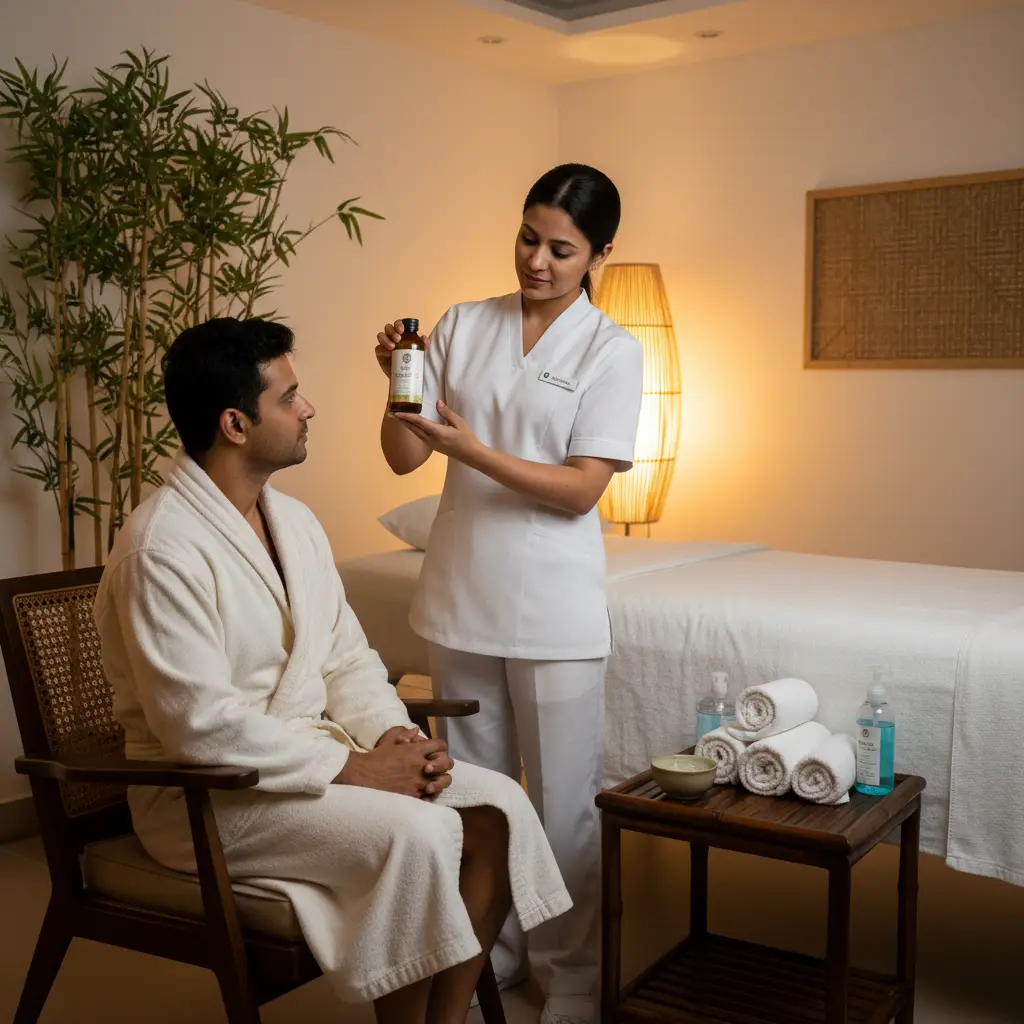
Creating your own spa products at home can be a rewarding experience, but it introduces variables that don’t exist in a professional clinic. Before you start mixing ingredients in your kitchen or applying them to your body, it is crucial to understand the safety protocols necessary to prevent skin reactions, bacterial growth, or accidents.
Skin Safety and Allergies
The skin is the body’s largest organ, and it is highly absorbent. Because Nuru massage involves covering a large percentage of the body surface with gel, the risk of an allergic reaction is higher than with a spot treatment. Before you commit to a full-body session, you must perform a patch test. Apply a small amount of your homemade mixture to the inner forearm and wait 24 hours to see if any redness, itching, or irritation occurs.
Always be cautious with your ingredients. Common irritants often include “natural” additives like strong essential oils (cinnamon, clove, or citrus oils can burn sensitive areas), poor-quality vegetable oils that have gone rancid, or untested DIY recipes found on forums. Just because an ingredient is in your kitchen cupboard doesn’t mean it belongs on your skin. Stick strictly to cosmetic-grade ingredients—especially for vegetable glycerine or thickening agents—to ensure they are free from food-grade impurities that might irritate the skin.
Hygiene When Making and Using Nuru Gel
Homemade cosmetics lack the potent preservatives found in commercial products, making them a potential breeding ground for bacteria if not handled correctly. When preparing your gel, treat your kitchen like a laboratory. Ensure your workspace is scrubbed down, and sanitize all bowls, spoons, and storage containers with boiling water or alcohol before use.
Water quality is another critical factor. Tap water in Mumbai, even if filtered for drinking, may contain minerals or trace microbes that can spoil your mixture quickly. Always use distilled or boiled-and-cooled water for your recipes. Perhaps most importantly, remember that DIY Nuru gel made without professional preservatives has a very short shelf life. It should be used within 1 to 2 days of making it. Do not attempt to store it in your bathroom cabinet for weeks, as bacterial growth can occur invisibly and lead to skin infections.
When to Skip DIY and Use a Professional Nuru Massage in Mumbai
While making your own gel is a fun project, it isn’t the right choice for everyone. If you have extremely sensitive skin, eczema, or a history of severe contact dermatitis, experimenting with homemade chemistry is risky. Additionally, the logistics of a Nuru massage—which requires significant space and waterproof bedding—can be overwhelming in a compact Mumbai apartment. The cleanup alone, involving slippery floors and piles of oily towels, can sometimes ruin the relaxation you just achieved.
For those who are nervous about potential allergies, lack the space for a safe setup, or simply don’t want to handle the extensive cleanup, it is often smarter to rely on experts. Professional therapists come prepared with hypoallergenic, high-quality gels and the necessary equipment to keep the environment safe. If you prefer an expert to handle the gel, setup, and full experience, you can book a professional nuru massage in Mumbai at home or hotel. This ensures you get the wellness benefits without the safety risks or the mess.
Ingredients and Tools You’ll Need for Homemade Nuru Gel
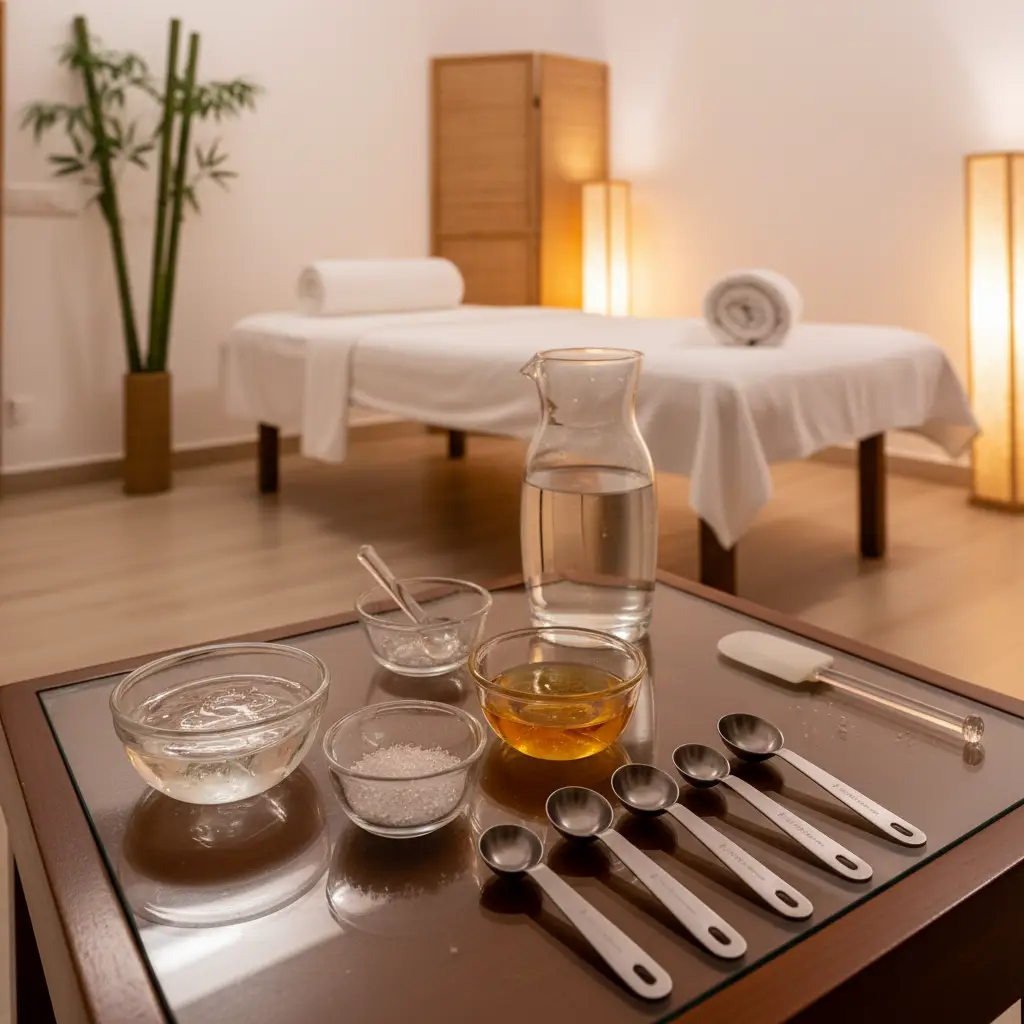
Creating your own Nuru gel at home in Mumbai doesn’t require a degree in chemistry, but it does require the right components. The goal is to create a mixture that is safe for your skin, easy to clean up, and provides that signature long-lasting slip. Below, we break down the simple ingredients and basic tools you will need to get started.
Core Gel Base Ingredients (Simple DIY Version)
To make a basic, skin-friendly Nuru gel, you can use ingredients readily available at local health stores or online marketplaces. This recipe focuses on safety and simplicity, avoiding complex chemicals.
- Distilled Water: This is the base of your gel. Using distilled water ensures there are no impurities or minerals that could irritate the skin or spoil the mixture quickly.
- Vegetable Glycerine: This key ingredient adds slickness and helps the gel retain moisture on the skin, preventing it from drying out too fast.
- Coconut Oil (or Grape Seed Oil): A small amount of light, skin-safe oil helps with the gliding texture. Coconut oil is popular, but if you are prone to body acne, grape seed or jojoba oil are lighter alternatives.
- Thickener (Xanthan Gum or Agar-Agar): This is what turns your watery mixture into a gel. Xanthan gum is often easier to work with for beginners as it thickens without heating, whereas Agar-Agar (China grass) usually requires boiling water to activate.
- Optional – Essential Oils: For a relaxing aroma, you can add 1-2 drops of skin-safe essential oil like lavender or chamomile. Note: Keep this minimal to avoid skin irritation in sensitive areas.
Tools and Equipment
Having the right tools makes the process cleaner and safer. You likely have most of these in your kitchen already.
- Mixing Bowl: A medium-sized plastic or stainless steel bowl is perfect. Avoid glass if you plan to bring the bowl into the bedroom later.
- Whisk or Spoon: You need a sturdy whisk to ensure the thickener blends completely without leaving lumps.
- Measuring Cups and Spoons: Precision matters. Too much thickener can make the gel gloopy; too much water makes it runny.
- Funnel: Essential for transferring your finished gel into a bottle without making a mess.
- Squeeze Bottle: A plastic squeeze bottle (like a condiment dispenser) is the best way to apply the gel during a massage.
- Waterproof Surface Cover: Before you use the gel, test the consistency on a waterproof sheet or towel to ensure it isn’t too sticky or too thin.
Safety Tip: We strongly advise against using glass bowls or bottles in the bedroom or bathroom. Nuru massage is inherently slippery, and dropping a glass container can turn a relaxing evening into a dangerous situation instantly. Stick to plastic or silicone tools.
Step-by-Step – Basic Nuru Massage Gel Recipe
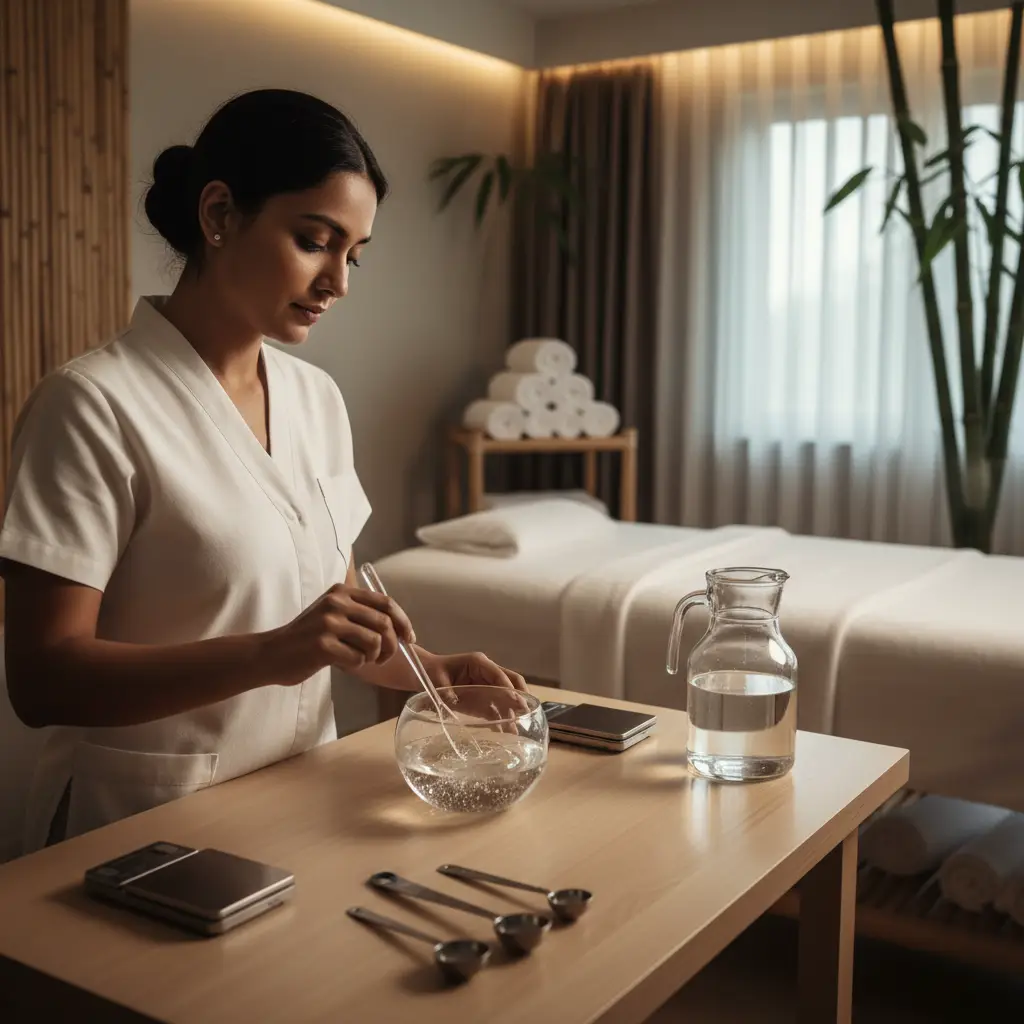
Now that you have your ingredients and safety gear ready, it’s time to mix your own Nuru gel. This process is similar to cooking; precision and patience will yield the best results. Follow these steps carefully to create a smooth, slippery, and safe mixture right in your Mumbai home.
Step 1 – Prepare Your Workspace
Before opening any bottles, designate a clean, flat surface for your “lab.” A kitchen counter or a cleared bathroom vanity works best. Wipe the area down thoroughly to ensure no dust or food crumbs end up in your mixture. Lay down a clean towel or some old newspaper to catch any potential spills, as glycerine and oil can be tricky to clean off certain surfaces. Gather all your measured ingredients, your mixing bowl, and your whisk so everything is within easy reach.
Step 2 – Mix Water, Glycerine, and Oil
Start by creating your liquid base. In your mixing bowl, combine your liquids using a simple ratio. A good starting point for beginners is 1 part vegetable glycerine, 1 part light oil (like coconut or grape seed), and 8–10 parts warm distilled water.
For example, if you use 1 tablespoon of glycerine and 1 tablespoon of oil, you would add roughly 8 to 10 tablespoons of warm water. Use your whisk to blend these liquids together vigorously. At this stage, the mixture will look very thin and watery—don’t worry, this is normal. The thickening happens in the next step.
Step 3 – Add Thickener (Xanthan Gum / Agar-Agar) Slowly
This is the most critical step to avoid a lumpy mess. If you are using Xanthan gum, take a pinch (about 1/4 to 1/2 teaspoon for the ratio above) and sprinkle it very slowly over the surface of the liquid while whisking constantly with your other hand. Do not dump it all in at once, or it will clump instantly.
Continue whisking until the powder is fully dissolved. You will notice the liquid starting to turn into a gel. If you prefer a thicker consistency similar to commercial Nuru gels, you can add a tiny bit more, but do so sparingly—a little powder goes a very long way. If using Agar-Agar, you may need to dissolve it in boiling water first according to the packet instructions before adding it to your base.
Step 4 – Optional Scent and Cooling Time
Once you have achieved a gel-like texture, you can personalize your creation. If you enjoy aromatherapy and have confirmed you have no allergies, add one or two drops of skin-safe essential oil, such as lavender or jasmine, for a calming fragrance. Whisk the mixture one last time to distribute the scent evenly.
Now, let the mixture rest for about 15 to 20 minutes. This resting period allows any air bubbles created by the whisking to settle and helps the thickener fully hydrate, resulting in a smoother, clearer texture. If you want a cooling sensation during your massage, you can place the covered bowl in the refrigerator for a short time.
Step 5 – Test and Adjust Consistency
Before taking your gel into the bedroom, you need to verify it’s ready. Dip your finger into the bowl and apply a small amount to the back of your hand or inner forearm. Rub it around to test the “slip factor.” It should glide effortlessly without feeling sticky or drying out immediately.
- If it feels too thin (watery): Sprinkle a tiny amount of extra thickener and whisk again.
- If it feels too thick (sticky or gloopy): Add a tablespoon of warm water and mix thoroughly to loosen it up.
Once you are happy with the texture and have confirmed there is no skin irritation, transfer your finished gel into your squeeze bottle using the funnel. You are now ready to use it!
How to Make a Simple Nuru-Style Massage Oil
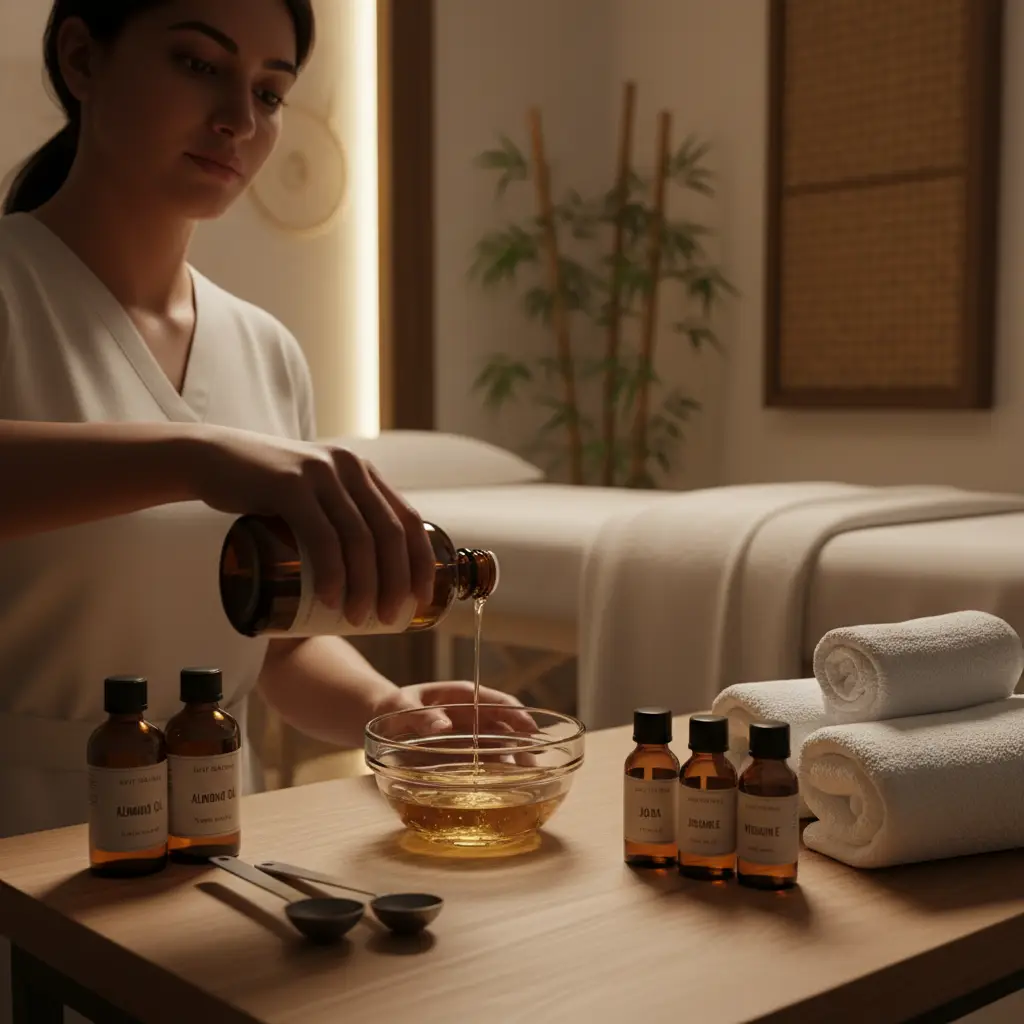
While true Nuru massage relies on the water-based seaweed gel we discussed earlier, having a high-quality massage oil on hand is an excellent complement to your home spa kit. Sometimes you may want a product that offers more friction for deeper muscle work, or perhaps you want to start a session with a traditional massage before transitioning to the slippery Nuru slide. Making your own “Nuru-style” oil—meaning an oil that is lighter and slicker than average—is incredibly simple.
Choosing the Right Carrier Oils
The base of any massage oil is a “carrier oil.” For a Nuru-style experience, you want to avoid heavy, sticky oils like castor or thick olive oil. instead, aim for oils that are light, slippery, and “non-comedogenic,” meaning they won’t clog your pores.
- Grapeseed Oil: This is often the top choice for professional therapists in Mumbai. It has a very light texture, a silky glide, and virtually no scent. It absorbs well but leaves enough slip for a long session.
- Fractionated Coconut Oil: Unlike regular coconut oil that turns solid in Mumbai’s air-conditioned rooms, fractionated coconut oil stays liquid. It is extremely shelf-stable, has a long glide, and doesn’t stain sheets as badly as other oils.
- Sweet Almond Oil: A classic favorite that is slightly richer than grapeseed oil. It is great for nourishing dry skin, but be careful—it is a nut oil. Warning: Always ask your partner about nut allergies before using almond oil, as it can cause severe reactions in sensitive individuals.
Adding Optional Fragrance Safely
If you want to recreate the luxurious scent of a high-end spa, you can add essential oils to your carrier base. However, safety is paramount. Essential oils are highly concentrated plant extracts and should never be applied directly to the skin without dilution.
A safe general rule for massage oil is a dilution of about 1% or less. This translates to roughly 1 to 2 drops of essential oil per 30 ml (approx. 2 tablespoons) of carrier oil. Thoroughly mix the oils together before use. Even with this dilution, always perform a patch test on a small area of skin (like the inner elbow) 24 hours before a full massage to ensure there is no allergic reaction.
When to Use Oil vs Gel
Understanding when to use which product can elevate your home massage experience.
- Nuru Gel: This is your tool for the “slide.” It is water-heavy, extremely slippery, and designed for body-to-body contact where friction is minimized. It dries faster than oil but can be reactivated with a spray of water.
- Massage Oil: This provides grip. It is better suited for traditional Swedish or deep tissue techniques where you need to work out a knot in the shoulder or back.
For the ultimate experience, many couples combine the two. You might start with a relaxing oil massage to warm up the muscles and release tension, then shower or towel off slightly before applying the Nuru gel for the intimate sliding finale. If you want step-by-step ideas for using your homemade products, see our detailed how to do nuru massage tutorial.
How to Use Homemade Nuru Gel Safely in a Session

Once you have whipped up your batch of homemade gel, the next step is using it correctly. The unique texture of Nuru gel requires a different approach than standard massage oil. Because it is designed to be extremely slippery, safety and preparation are just as important as the massage technique itself. A little foresight ensures your session remains relaxing rather than becoming a messy or dangerous balancing act.
Prepare the Space Before Applying Gel
Before a single drop of gel touches the skin, your environment must be ready. Nuru gel is water-based and runny, meaning it will inevitably drip off the body. Standard cotton bedsheets will soak through instantly, ruining the mattress and creating a difficult cleanup job later.
Start by covering your bed or massage surface with a high-quality waterproof sheet or a dedicated massage mattress protector. If you don’t have one, a large plastic sheet covered by a throw-away towel can work in a pinch. Critically, you must think about the floor. As you or your partner move, gel can splash or drip onto the tiles or wood flooring, turning it into an ice rink. Place large bath towels or non-slip mats on the floor around the bed, specifically where you plan to step off. This simple step prevents serious slip-and-fall accidents when the session ends.
Apply Gel and Start Slowly
When you are ready to begin, resist the urge to pour the entire bottle at once. Homemade Nuru gel can be deceptively slick. Start by pouring a small amount—roughly the size of a coin—into your palms and rubbing them together to warm the gel.
Begin applying it to large muscle groups like the back or thighs using broad, sweeping strokes. You will notice immediately that it glides much further than oil. Add more gel incrementally as needed. The goal is to create a thin, consistent layer that allows for friction-free sliding, not to drown the skin in liquid. Remember, you can always add more, but taking it off is much harder. Moving slowly at first helps you get used to the lack of friction and ensures you maintain control over your movements.
Keep a Towel and Water Nearby
Even with the best preparation, things can get too slippery. It is smart to keep a dry, clean hand towel within arm’s reach but outside the “splash zone.” If you need to adjust a pillow, answer a door, or simply get a better grip for a specific massage technique, you will need to wipe your hands instantly.
Additionally, keep a bottle of drinking water nearby for hydration, as the warm environment and physical activity can be tiring. Some people also keep a spray bottle of warm water handy; if the gel starts to get tacky or dry out, a light mist of water can reactivate the slipperiness without needing to apply more fresh gel. For a full walkthrough of how a professional session flows from start to finish, read our nuru massage session guide.
Clean-Up, Storage, and When to Discard Homemade Gel
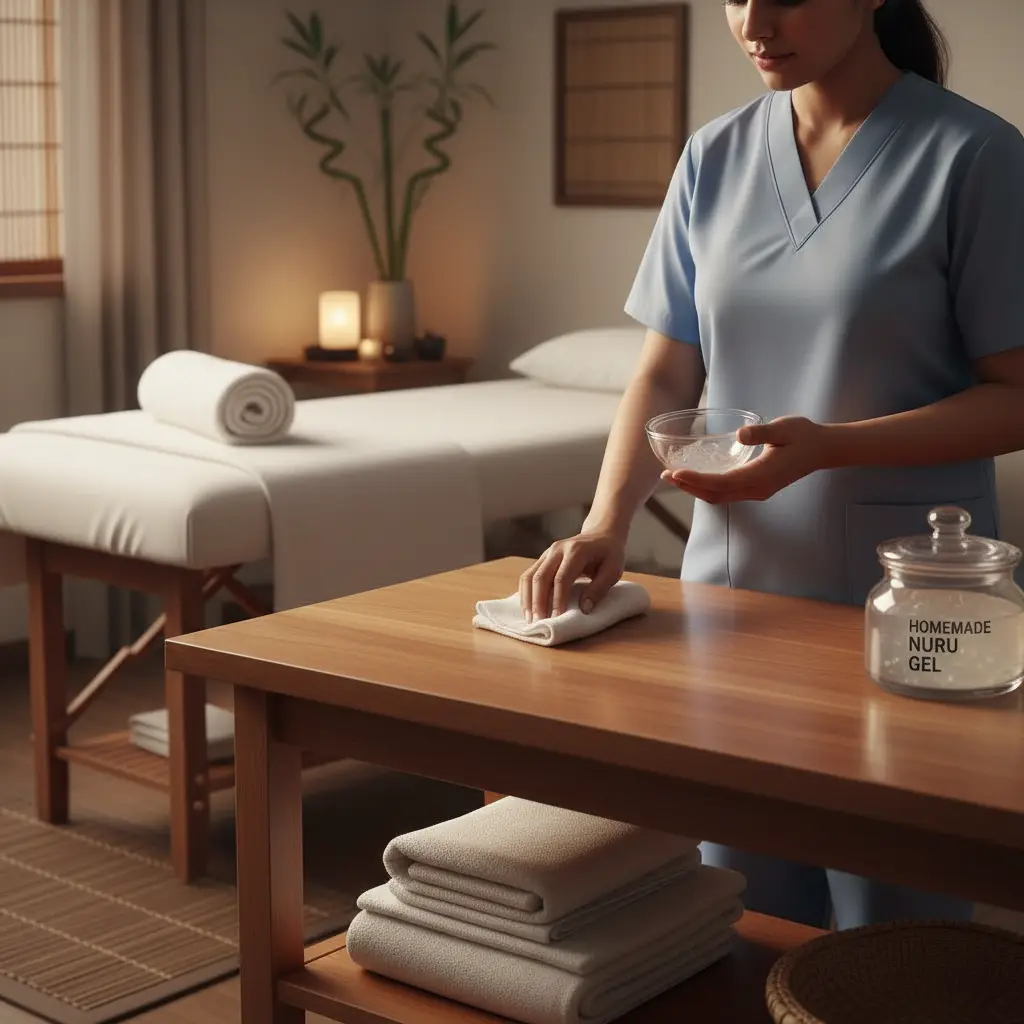
The relaxation of a Nuru massage shouldn’t be undone by a stressful cleanup. Because homemade gel is primarily water-based, getting rid of the residue is much easier than cleaning up thick, stubborn oils. Following a few simple steps ensures your space returns to normal quickly and that any leftover product is handled safely.
Cleaning Skin, Sheets, and Surfaces
One of the major benefits of a water-based gel is its easy removal. A warm shower with a mild soap is usually all that’s needed to wash any remaining slickness from the skin. Unlike heavy oils, it shouldn’t leave a greasy film. For your bedding, bundle up the waterproof protector and any towels carefully to avoid dripping gel onto the floor on your way to the bathroom or laundry. Most gels will wash out of fabrics in a normal hot wash cycle.
The most critical cleanup task is addressing the floor. Even small, unseen drips can create an extremely hazardous slippery spot. Before doing anything else, take a dry towel and meticulously wipe down any area around the bed where gel may have splashed. A final wipe with a damp cloth can remove any last traces, ensuring the room is safe to walk in again.
Storing Leftover Gel (If At All)
Because your homemade gel lacks the professional-grade preservatives found in commercial products, it has an extremely short shelf life. It is an ideal environment for bacteria to grow. If you have any gel left over, you must store it in a sealed, airtight container in the refrigerator. Do not leave it at room temperature.
Even when refrigerated, the gel should be considered perishable. Plan to use it within the next 1 to 2 days at most. Before using it again, inspect it carefully. You must strongly discard any gel that has changed color, developed an unusual or “off” smell, or appears cloudy. When in doubt, it is always safer to throw it out and make a fresh batch for your next session. The small cost of ingredients is not worth the risk of a potential skin infection.
DIY vs Booking Nuru Massage Therapists in Mumbai
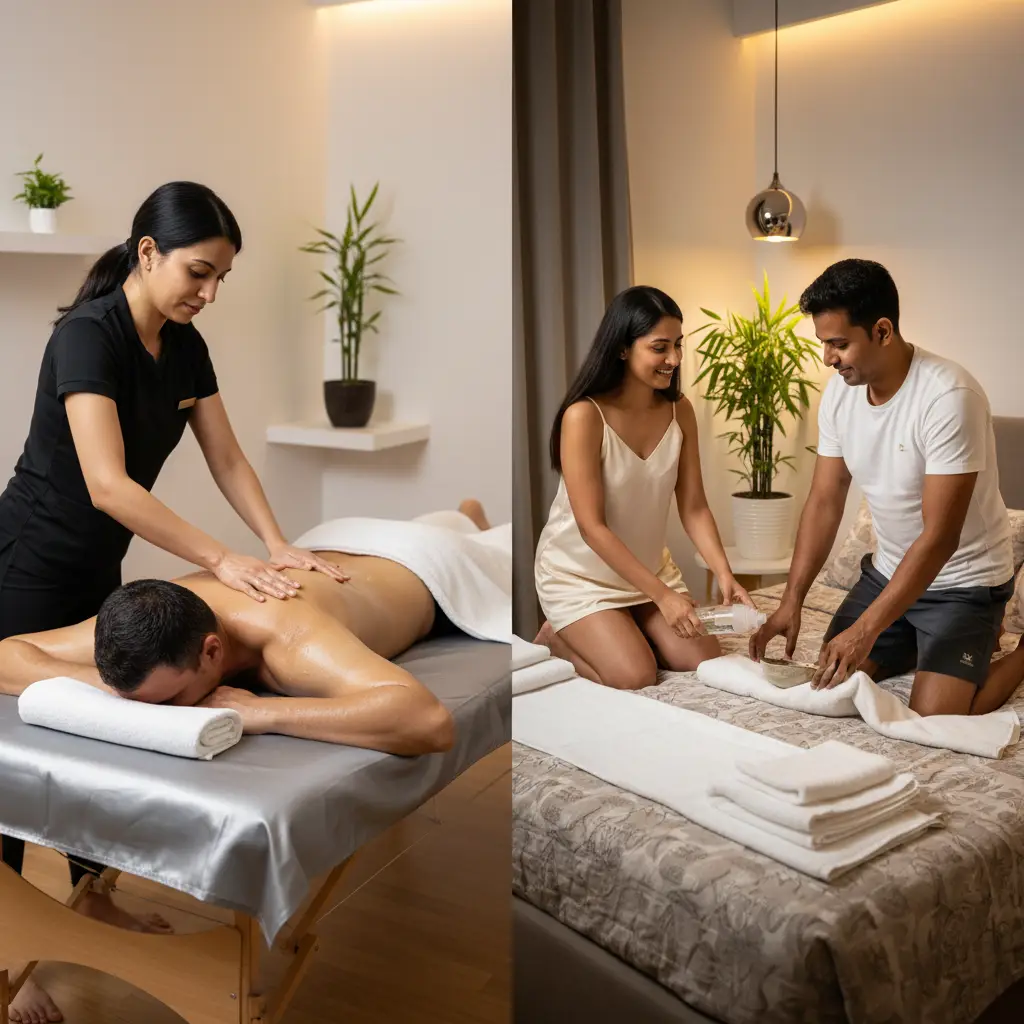
Deciding between a homemade spa night and hiring a professional comes down to what you value most in that moment: the creative process of doing it yourself or the seamless relaxation of being taken care of. Both options have their merits, but understanding the trade-offs can help you plan the perfect experience.
Pros and Cons of DIY Gel
Making your own Nuru gel and setting up a session at home can be a rewarding project, but it is not without its challenges.
The Pros:
- Total Control: You know exactly what is going into your mixture. If you want organic coconut oil or a specific essential oil blend, you have the power to choose.
- Cost-Effective: Once you buy the base ingredients like glycerine and xanthan gum, the cost per batch is significantly lower than purchasing high-end commercial bottles or booking a service.
- Fun for Couples: For partners, the process of mixing the gel and setting up the room can be a bonding activity that builds anticipation before the massage even begins.
The Cons:
- Texture Issues: Getting the ratio right is difficult. DIY batches often end up too sticky, too watery, or prone to drying out quickly, which can interrupt the flow of the massage.
- Mess and Clean-Up: As discussed, the clean-up is extensive. Dealing with slippery floors and oily towels after you are relaxed can be a major mood killer.
- Safety Risks: Without professional experience, there is a higher risk of slipping accidents or skin reactions to improperly mixed ingredients.
When to Call a Professional Nuru Massage Therapist
Sometimes, the best choice is to let an expert handle the logistics so you can focus entirely on unwinding. Professional therapists bring more than just skill; they bring peace of mind. They arrive with premium, pre-tested gels that are guaranteed to have the perfect consistency. They manage the entire setup, ensuring the environment is safe and waterproof, and handle the clean-up afterwards. Furthermore, they are trained to follow clear professional boundaries and safety protocols, ensuring a secure and respectful experience.
If you prefer to leave the gel and full-body work to experts, book a professional nuru massage in Mumbai for home or hotel.
We have specialists available across the city to suit your location and schedule:
- You can request experienced nuru massage therapists in andheri Mumbai for private at-home visits.
- We also have trained nuru massage therapists in bandra Mumbai for sea-facing apartments and hotels.
- Clients near the lake often book nuru massage therapists in powai Mumbai for discreet home sessions.
- In the suburbs, you can call nuru massage therapists in malad Mumbai for late-evening relaxation.
- Film-city professionals often choose nuru massage therapists in goregaon Mumbai for stress relief.
- If you are near the business district, book nuru massage therapists in lower parel Mumbai straight to your home or hotel.
Frequently Asked Questions About Nuru Massage Gel & Oil
Here are some common questions we receive about making and using Nuru-style products at home in Mumbai.
1. What is Nuru gel made from?
Traditionally, authentic Nuru gel is made from water and the extract of specific seaweeds, like Nori algae. This creates a clear, odorless, and extremely slippery substance. Modern homemade versions, like the recipe in this guide, typically use a base of distilled water mixed with vegetable glycerine and a thickening agent like xanthan gum or agar-agar to replicate the signature texture.
2. Is homemade Nuru gel safe for sensitive skin?
It depends entirely on the ingredients you use and your skin’s unique sensitivities. While homemade recipes give you control, they also carry risks if you use poor-quality ingredients or have unknown allergies. Always perform a patch test on a small patch of skin 24 hours before a full-body massage. For those with highly sensitive skin, booking a professional nuru massage in Mumbai is often the safer choice, as therapists use pre-tested, hypoallergenic products.
3. Can I use normal massage oil instead of Nuru gel?
You can, but the experience will be completely different. Normal massage oils are designed to provide grip for traditional muscle work and to nourish the skin. Nuru gel is designed for the opposite: to eliminate friction almost entirely for a unique, full-body sliding sensation. Using oil will not allow for the signature “slide” that defines this style of massage.
4. How long does homemade Nuru gel last?
Because homemade gel does not contain professional preservatives, it is highly perishable. It should be stored in a sealed container in the refrigerator and used within 1-2 days. You must discard it immediately if you notice any change in smell or color, as this indicates bacterial growth.
5. Can I buy ready-made Nuru gel in India instead of making it?
Yes, several brands of pre-made Nuru gel are available for purchase online in India through marketplaces like Amazon or specialty wellness stores. These commercial products have the benefit of a longer shelf life, consistent texture, and often come in powder form that you mix with water.
6. What is the difference between Nuru massage gel and normal body oil?
The main differences are texture and purpose. Nuru gel is water-based, incredibly slippery, and creates a thin, slick layer on top of the skin for body-to-body gliding. Body oil is thicker, absorbs more slowly into the skin, and provides friction, which is necessary for deep tissue and traditional massage techniques. The full process of using the gel is quite different from an oil massage, as explained in our guide on how to do nuru massage.
7. Should I try DIY first or book a professional Nuru massage in Mumbai?
If you enjoy creative projects, have no skin sensitivities, and don’t mind the extensive setup and cleanup, a DIY session can be a fun and cost-effective experience. However, if you want guaranteed safety, a perfect gel consistency, and a completely stress-free experience without any mess, booking a professional is the better option. A professional ensures the entire nuru massage session is handled expertly from start to finish.